
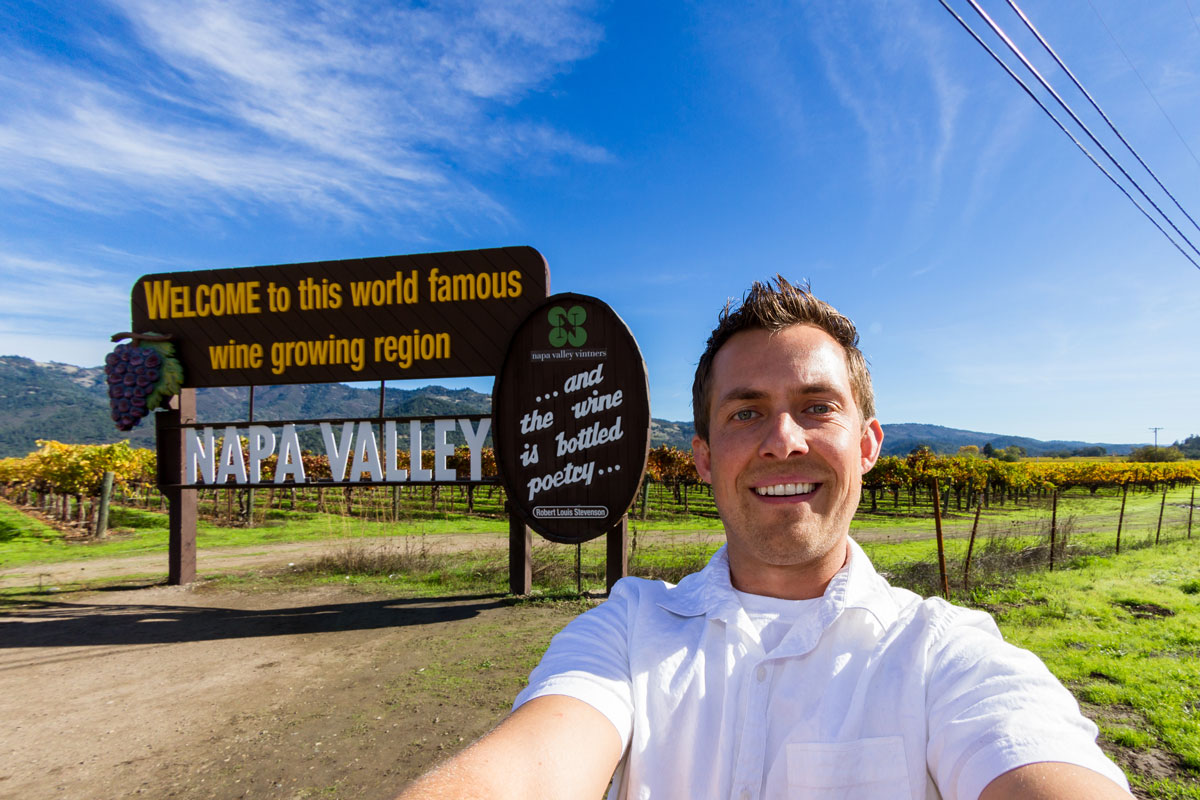
A Napa Valley wine tour is the ultimate way to experience California’s most iconic wine region, but planning it correctly makes all the difference. From choosing the best wineries in Napa Valley to building a seamless Napa wine tour itinerary, this guide covers everything you need to know. Whether you’re visiting for a weekend escape or a luxury getaway, knowing how to plan a Napa Valley wine tasting trip ensures you avoid crowds, maximize tastings, and enjoy a curated, stress-free experience from start to finish.
How to Plan a Napa Valley Wine Tour
Good planning turns a fine day into a genuinely great one. Here’s how to set yourself up before you even leave home.
Book Tastings in Advance
Reservations are required at the vast majority of Napa Valley wineries. [1] This isn’t a formality; it’s the gateway to private caves, seated library tastings, and estate experiences that walk-ins never see. Book at least two to four weeks ahead for weekends and further out during harvest season.
Choosing the Right Transportation
Driving yourself through wine country is a liability (literally). A private chauffeured tour from California Wine Tours removes that concern entirely and adds a driver-guide who knows which back roads lead to the best views. Browse the fleet options to match your group size to the right vehicle.
Managing Your Time on Tour Day
Plan two to four winery visits per day. [2] More than that and the tastings blur together. Build in time for a proper lunch. Napa Valley has no shortage of restaurants worth the detour, and a good meal between stops is part of the experience, not an interruption to it.
Best Napa Wine Tour Itinerary (1-3 Days)
The Perfect 1-Day Napa Wine Tour
Start in Carneros (southern Napa, closest to the Bay Area) with a sparkling wine tasting, then work north through Yountville for lunch and an afternoon stop in Oakville or Rutherford for a bold Cabernet. Finish with a scenic drive back south. Three wineries, a great meal, and zero regrets.
2-3 Day Itinerary for a Deeper Experience
Day one: Carneros and Napa town. Day two: Yountville, Oakville, and Rutherford. Day three: St. Helena and Calistoga, where cave tastings and geothermal springs make for a completely different mood. The pre-built itineraries from California Wine Tours are a solid starting point for customizing your own plan.
How to Cluster Wineries by Region
Napa Valley runs roughly 30 miles from south to north. [3] Plan visits geographically rather than by brand name. Jumping from Calistoga back to Napa town mid-afternoon wastes the best hours on a highway. Cluster by sub-AVA: Carneros and Napa together, Yountville and Oakville together, St. Helena and Calistoga together.
Best Wineries in Napa Valley to Visit
Napa Valley is home to more than 400 wineries, [4] so “just pick a few” is easier said than done. Here’s a practical framework.
Iconic Napa Valley Estates
Darioush, Opus One, Stag’s Leap Wine Cellars, and Beringer are the names that show up on every serious wine lover’s list. These are bucket-list visits with architecture and history to match the wine in the glass.
Boutique & Reservation-Only Experiences
Harlan Estate and Jarvis (with its fully underground cave facility) operate on a reservation-only or allocation basis. These are the kinds of visits that make a private, professionally arranged tour worthwhile, because getting in on your own is genuinely difficult.
Matching Wineries to Your Experience Type
Celebrating a milestone? Prioritize estates with private caves or estate dining. First-time visitor? Start with a well-known, accessible producer before going boutique. Wine-curious but not obsessive? Look for wineries with food pairings built into the tasting, they add context and naturally slow the pace.
Best Time to Visit Napa Valley for Wine Tasting
Harvest Season (August-October)
Harvest season is Napa’s most celebrated window. [5] Vineyards are in full activity, the air carries the scent of crushed grapes, and special harvest tastings appear at many estates. It is also the most crowded and most expensive time to visit. Book accommodation and tasting appointments well ahead.
Spring Visits (March-May)
Spring brings lush green hillsides, wildflowers, and noticeably fewer crowds. [6] Tasting rooms are more relaxed, reservations are easier to secure, and the weather is comfortable without summer heat. This is the insider’s preferred season for good reason.
Beating the Crowds Year-Round
Weekdays are reliably quieter than weekends regardless of season. An early start (most tastings open at 10 a.m.) means you see estates at their best before the peak afternoon rush. Winter (November through February) offers the quietest experience and lower accommodation rates, though some smaller producers reduce hours during this period.
Napa Valley Wine Tasting Guide: Tips for First-Time Visitors
Tasting Etiquette and What to Expect
You’ll typically taste four to six wines per session, moving from lighter whites to fuller reds. Spit buckets exist for a reason, especially across multiple stops. Ask questions; winery staff expect them, and those conversations are often the most memorable part of the visit.
What to Wear and Bring
Comfortable shoes matter more than you’d expect (gravel paths, vineyard walks). Layers are useful year-round because Napa mornings can be cool even in summer. Bring water and eat something before your first tasting.
Staying Safe and Getting Around
California’s laws on drinking and driving are not ambiguous. A chauffeured Napa Valley wine tour keeps everyone safe and lets the whole group participate fully. Transportation services are also available for groups arriving from San Francisco or the wider Bay Area.
Plan Your Ideal Napa Valley Wine Tour
Planning a great Napa Valley wine tour comes down to three things: the right wineries, the right timing, and a thoughtful itinerary. Whether you’re exploring iconic estates or harder-to-find boutique producers, a structured plan delivers a better experience at every stop. Request a custom quote and let California Wine Tours handle the details while you focus on the wine.
Frequently Asked Questions
What is the best way to do a Napa Valley wine tour? The most effective approach is a guided or private tour with a professional driver. This lets you focus on the tasting experience while someone else handles reservations, routing, and the drive home. Private tours allow full itinerary customization; join-in tours offer a more social option for those who prefer a group setting.
How many wineries should you visit in one day? Two to four wineries is the right range for most visitors. That pace allows enough time per stop to enjoy the tasting, talk to the staff, and take in the property without feeling rushed or, by the third stop, slightly blurry.
Do you need reservations for Napa wineries? Yes. Reservations are required at the majority of Napa Valley wineries, particularly for premium and boutique experiences. Walk-ins are rare and increasingly uncommon, especially on weekends and during harvest season.
What is the best time to visit Napa Valley for wine tasting? Harvest season (August through October) is the most popular for its energy and vineyard activity. Spring (March through May) is the lesser-known option: fewer crowds, beautiful landscapes, and a more relaxed tasting pace overall.
How much does a Napa Valley wine tour cost? Tour costs vary based on group size, vehicle type, duration, and level of customization. Request a quote for an accurate figure tailored to your group.
References
- Napa Valley Vintners, “Plan Your Visit”: https://www.napavintners.com
- Visit Napa Valley, “Plan a Trip”: https://www.visitnapavalley.com/plan/
- Napa Valley Vintners, “About Napa Valley”: https://www.napavintners.com/napa_valley/
- California Wine Tours, “Napa Valley Wine Tours”: https://californiawinetours.com/napa-valley-wine-tours/
- Visit Napa Valley, “Harvest Season”: https://www.visitnapavalley.com/things-to-do/seasonal/harvest/
- Visit Napa Valley, “Spring in Napa Valley”: https://www.visitnapavalley.com/things-to-do/seasonal/spring/