
Originally featured in Smart Meetings Magazine’s January 2026 issue
You know the feeling. One minute you’re handling your regular job responsibilities, and the next, you’re somehow in charge of group transportation planning for the company retreat. And not just the fun stuff like choosing the vineyard or booking the restaurant—you’re also figuring out how to get 47 people from SFO to Napa Valley without losing anyone along the way.
If that sounds familiar, you’re not alone. Transportation logistics can feel overwhelming when you’re new to event planning, but they don’t have to be. Recently, Smart Meetings Magazine sat down with our Director of Sales, Kendric White, to discuss the most common transportation challenges and how to avoid them. After two decades of moving groups seamlessly through Northern California’s wine country and beyond, Kendric has seen it all—and she’s sharing the insider knowledge that can make or break your event.
Start Early, Finish Strong
The Question Everyone Asks: How far ahead should I book?
Here’s the reality: If you’re planning a group event, you should reach out to your transportation company 30 to 90 days in advance. Yes, that might feel early, but here’s why it matters.
The busier the season, the earlier you need to act. Spring weddings, fall harvest season in wine country, and summer tourism all create high demand for quality transportation. For major conferences or multi-day programs, starting the conversation 90 days out isn’t excessive—it’s smart planning.
Early contact ensures three critical things:
- Vehicle availability for your specific needs
- Driver scheduling so you get experienced professionals
- Time to fine-tune logistics before any last-minute scrambling
Think of it like booking a popular restaurant. Sure, you might get lucky with a last-minute reservation, but do you really want to gamble on your company’s important event?
Understanding Transportation Pricing
Here’s what actually determines your quote:
Transportation pricing isn’t as complicated as it might seem, but there are some common misconceptions. The cost is typically based on time and vehicle type—not the number of passengers you’re bringing along.
Most companies (including us) have minimum hourly requirements, usually ranging from 3 to 6 hours depending on the service. Beyond that baseline, several factors influence your final rate:
- Distance traveled
- Wait time and multiple stops
- Special requests like onboard amenities
- After-hours service
- Peak season demand
The key is transparency. You should never be surprised by hidden fees when the final invoice arrives. A reputable transportation company provides clear, upfront quotes that outline exactly what you’re paying for and why.
Safety First: The Non-Negotiables
What licenses and insurance should you actually verify?
This is where many accidental event planners get tripped up. Not all transportation companies are created equal, and cutting corners on safety verification is never worth the risk.
Here’s your essential checklist. Any reputable transportation company should have:
Valid Operating Authority
- A current U.S. DOT number
- CA PUC number (or your state’s equivalent)
Comprehensive Insurance Coverage
- Commercial liability insurance with at least $5 million in coverage for larger vehicles
- Proper documentation available upon request
Proven Safety Record
- Check SaferBus.com for accident history and CHP terminal inspection reports
- Look for companies with clean, documented safety records
Fleet Ownership
- At least 90% ownership of their own fleet (not just brokered vehicles)
- This ensures consistent quality, reliability, and control over service
Professional Drivers
- Properly licensed and trained
- Background checks completed
- Meeting all safety requirements
Here’s the important part: Always ask for proof. Professional operators are transparent and happy to provide documentation. If a company hesitates or makes excuses about sharing these details, that’s your red flag to look elsewhere.
Airport Pickups: Getting the First Impression Right
Airport transfers can make or break your attendees’ experience before your event even begins. The key is detailed preparation and clear communication.
For Every Airport Pickup, Provide:
- Complete flight information
- Passenger contact details
- Any special requirements or accessibility needs
This allows your transportation partner to monitor flight arrivals in real-time and adjust for delays without creating panic or confusion.
For Larger Groups:
Consider having a greeter or on-site dispatcher positioned inside the terminal or near baggage claim. This person helps direct guests to the correct loading area and ensures everyone gets to the right vehicle. Most major airports require buses and large vehicles to stage in designated commercial loading zones, so coordination is essential.
For Smaller Vehicles:
We’ve transitioned to a curbside greeting model that minimizes passenger wait time and ensures a faster, smoother connection between arrival and pickup. The goal is always the same: make that first impression seamless.
After all, your attendees just spent hours traveling. The last thing they want is to wander around an airport parking structure searching for their ride.
Budget-Conscious Transportation That Doesn’t Cut Corners
How can you manage costs without sacrificing quality?
Smart budgeting isn’t about finding the cheapest option—it’s about strategic allocation of resources. Here’s an approach that works:
Consolidate Transfers Thoughtfully
Look for opportunities to combine trips without inconveniencing your attendees. Sometimes adjusting schedules by 30 minutes can allow you to reduce the number of vehicles needed.
Prioritize Inbound Service
It’s often smarter to allocate more of your budget toward arrival transportation, where first impressions matter most. Outbound transfers, where timing is typically more flexible, can be streamlined to stretch your budget.
Schedule Strategically
Thoughtful scheduling can stretch transportation dollars significantly without compromising the attendee experience. Work with your transportation company to identify efficiencies in your timeline.
The Questions You Should Be Asking
“What would you do if this were your event?”
This is the question transportation professionals wish more planners would ask. After years of managing tight timelines, airport chaos, and unexpected detours, experienced providers have invaluable insights into what actually works.
A few minutes of collaborative problem-solving can transform potential disasters into smooth, stress-free travel days. Your transportation company should be a partner, not just a vendor.
Don’t Just Choose the Cheapest Option
This deserves its own emphasis because it’s such a common mistake. In the transportation industry, you usually get exactly what you pay for.
Quality companies understand their worth, and their pricing reflects:
- Well-maintained, reliable vehicles
- Experienced, professional drivers
- Comprehensive insurance and safety protocols
- Responsive customer service
- Backup plans when things go wrong
That rock-bottom quote might seem appealing until you’re dealing with a broken-down bus on Highway 29 with 40 frustrated attendees and no backup plan.
The Bottom Line
Group transportation planning doesn’t have to be the stressful part of event planning. With early communication, clear expectations, and the right transportation partner, it can actually be one of the smoothest aspects of your event.
Whether you’re organizing a corporate retreat in Napa Valley, coordinating airport transfers for a conference, or planning any group movement, these principles remain the same:
- Start the conversation early (30-90 days in advance)
- Verify safety credentials without exception
- Prioritize transparency in pricing and communication
- Invest in quality rather than just cost
- Ask for expertise from your transportation provider
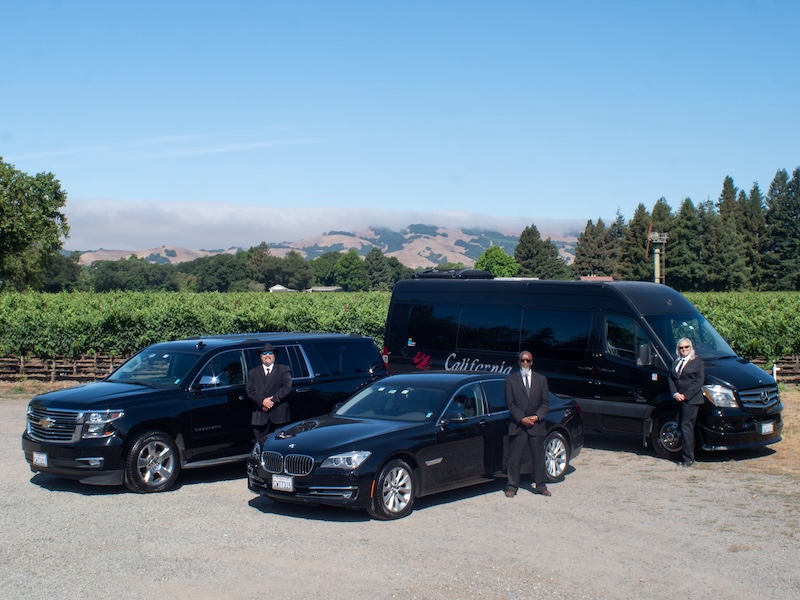
At California Wine Tours, we’ve spent over 40 years perfecting group transportation throughout Northern California’s wine country and beyond. We’ve navigated harvest season chaos, last-minute flight changes, and every conceivable transportation challenge. That experience means fewer surprises and smoother rides for your attendees.
Planning transportation for your next event? Let’s talk about how we can make that part of your job easier. Because when the transportation runs smoothly, you get to focus on what really matters—creating a memorable experience for your attendees.
Editor’s Note: This article is based on “Smooth Rides Ahead: Expert Tips from a Transportation Pro” by Kendric White, originally published in Smart Meetings Magazine, January 2026 issue. Kendric White is Director of Sales at California Wine Tours, a premier provider of group transportation serving Northern California for over 40 years.